
Understanding Particulate Matter
Learn the difference between PM2.5 and PM10, where these particles come from, and how they impact respiratory health.
Read GuideComprehensive strategies and insights into monitoring, managing, and improving your indoor air quality. Protect your health and home environment.
Explore Our GuidesDive deep into the specific elements that affect the air you breathe every day indoors.
Learn the difference between PM2.5 and PM10, where these particles come from, and how they impact respiratory health.
Read Guide
Discover the hidden sources of Volatile Organic Compounds in your home furniture and cleaning supplies, and how to reduce them.
Read Guide
Master the balance of indoor humidity. Find out why maintaining a 30-50% range is crucial for deterring mold growth and dust mites.
Read Guide
Compare natural and mechanical ventilation techniques. Understand how HRVs and ERVs supply fresh air without compromising energy efficiency.
Read Guide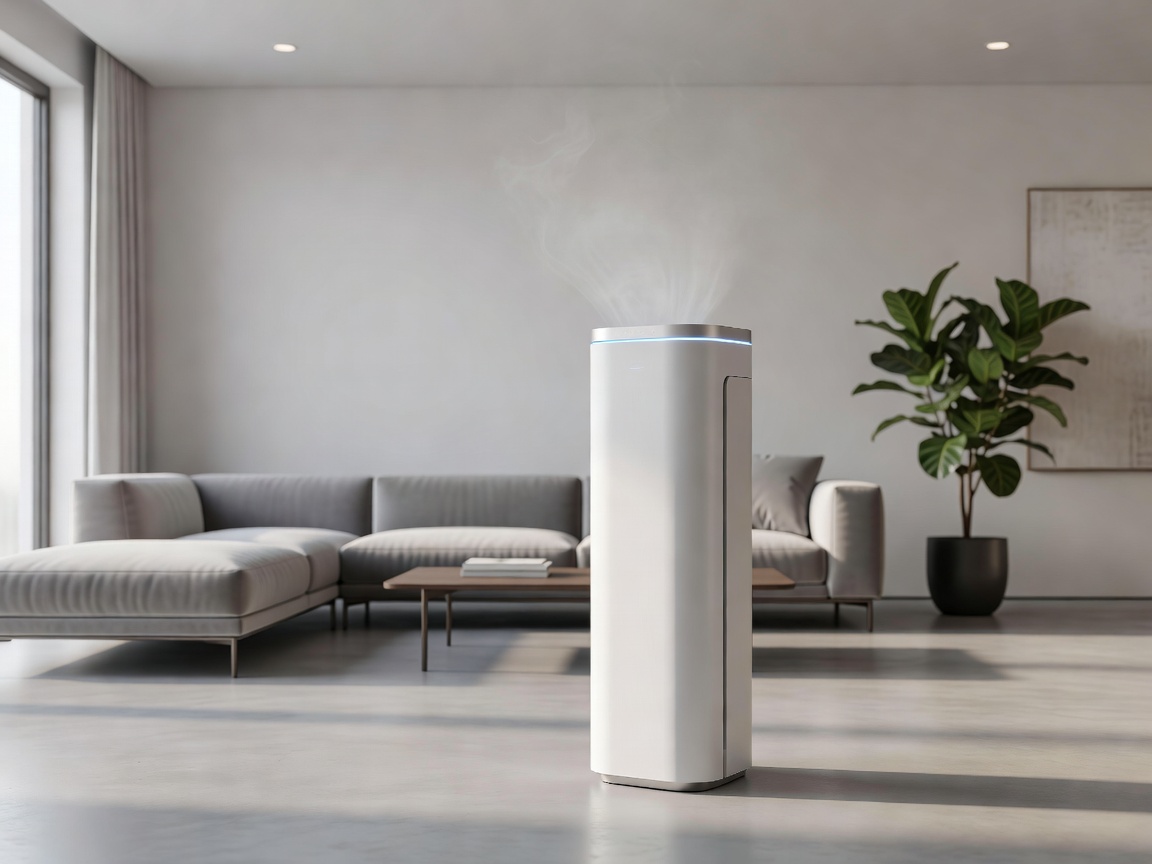
Navigate the complex world of HEPA filters, activated carbon, and CADR ratings to choose the right air cleaning appliance for your space.
Read GuideThe average person spends up to 90% of their time indoors, yet indoor air can be significantly more polluted than outdoor air. Modern buildings are constructed to be highly energy-efficient, which means they are sealed tightly. While great for reducing heating and cooling costs, this traps pollutants, allergens, and moisture inside.
Poor indoor air quality (IAQ) is linked to a variety of short-term and long-term health issues, ranging from minor eye irritation and headaches to severe respiratory conditions. By understanding the core components of IAQ, you can take actionable steps to protect your environment.