The Mechanics of Air Purification
When source control and ventilation are insufficient, or when outdoor air quality drops drastically, mechanical air purifiers become the primary defence line for indoor air quality. However, not all air purifiers are created equal. The effectiveness of a unit depends entirely on the specific filter media it uses and the power of its internal fan.
HEPA Filtration: The Standard for Particulates
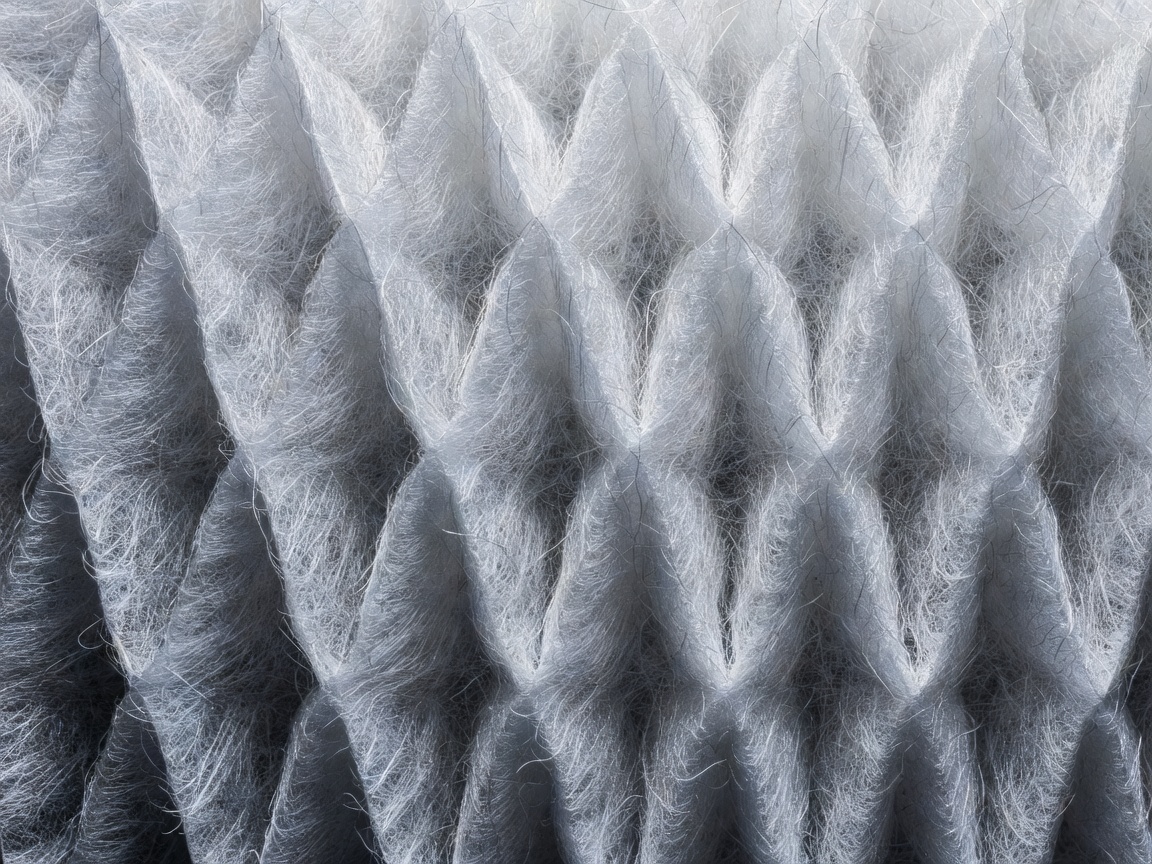
HEPA stands for High-Efficiency Particulate Air. To qualify as a True HEPA filter, a filter must meet rigorous standards, traditionally capturing at least 99.97% of particles that are exactly 0.3 microns in diameter. This specific size is considered the "most penetrating particle size" (MPPS) because particles of this size are the hardest to trap.
It is a common misconception that particles smaller than 0.3 microns slip through HEPA filters. In reality, extremely tiny ultrafine particles exhibit erratic motion (Brownian motion) as they bounce off gas molecules, causing them to zig-zag wildly and crash into the filter fibres with near 100% efficiency. HEPA filters are exceptionally effective against dust, pollen, pet dander, mold spores, and even many airborne bacteria and viruses.
Activated Carbon: The Solution for Gases
As previously mentioned in the VOC guide, HEPA filters do nothing to stop gases, odours, or chemicals. For these pollutants, an air purifier must utilise an activated carbon filter. Activated carbon is treated with oxygen to open up millions of microscopic pores between the carbon atoms.
When chemical gases pass through the carbon bed, they are trapped in these pores through a process called adsorption. The effectiveness of a carbon filter is directly correlated to the amount of carbon it contains. Thin, black-coloured foam pre-filters offer almost zero chemical protection; meaningful gas reduction requires pounds or kilograms of granular carbon.
Understanding CADR Ratings
When selecting a portable air purifier, the most important metric to look for is the Clean Air Delivery Rate (CADR). Developed by the Association of Home Appliance Manufacturers (AHAM), CADR measures the volume of filtered air an air purifier delivers, with separate scores for smoke, pollen, and dust.
A higher CADR indicates that the purifier can clean the air in a larger room or clean a smaller room more quickly. A general rule of thumb when purchasing a unit is to ensure the CADR rating for smoke is at least two-thirds of the room's square footage. For example, a 300 square foot room requires an air purifier with a smoke CADR of at least 200.
Technologies to Avoid
While mechanical filtration (HEPA and Carbon) is universally safe and effective, certain alternative air cleaning technologies can be counterproductive or even dangerous:
- Ozone Generators: These intentionally produce ozone gas (O3) to react with chemical pollutants. However, ozone is a severe lung irritant that exacerbates asthma and damages respiratory tissue. Medical professionals strongly advise against using ozone generators in occupied spaces.
- Ionisers and Electrostatic Precipitators: These devices charge particles so they stick to walls, floors, or internal collection plates. While they can reduce airborne particles, they often produce trace amounts of unintentional ozone as a byproduct of the high-voltage ionisation process.
Maintenance and Filter Replacement
An air purifier is only as good as its maintenance schedule. Over time, HEPA filters become clogged with particles, which forces the fan to work harder, reduces the CADR, and consumes more electricity. Carbon filters eventually reach saturation, at which point they cease to adsorb gases and can even begin off-gassing previously trapped chemicals back into the room.
Always follow the manufacturer's recommended replacement schedule, factoring in your environment. If you live near a busy road or operate the purifier in a room with a heavy smoker or multiple shedding pets, you will need to replace the filters significantly faster than the stated baseline.